

Hey there! I'm a supplier of Laboratory Freeze Dryers, and today I wanna chat about whether a laboratory freeze dryer can be used for drying cosmetic raw materials. It's a question I get a lot, so let's dig into it.
First off, let's understand what a laboratory freeze dryer does. A freeze dryer, like the ones we offer at link text: Freeze Dryer, works by removing water from a substance through a process called lyophilization. This involves freezing the material and then reducing the pressure around it so that the ice sublimates, turning directly from a solid to a gas without going through the liquid phase.
Now, why would we even think about using a freeze dryer for cosmetic raw materials? Well, a lot of cosmetic ingredients are sensitive to heat. High temperatures can break down the chemical structure of these materials, leading to a loss of their beneficial properties. For example, many plant extracts used in cosmetics contain vitamins, antioxidants, and essential oils that can be easily damaged by heat. By using a freeze dryer, we can dry these raw materials at low temperatures, preserving their integrity and effectiveness.
Let's take a look at some common cosmetic raw materials and see how a freeze dryer can work for them.
Plant Extracts
Plant extracts are a staple in the cosmetic industry. They're used for their moisturizing, anti - aging, and anti - inflammatory properties. Take rose petals, for instance. Roses are not only beautiful but also rich in antioxidants and essential oils. Using a link text: Freeze Dryer For Rose, we can dry rose petals to preserve their beneficial compounds. The freeze - dried rose petals can then be ground into a powder and added to various cosmetic products like facial masks, creams, and soaps.
The freeze - drying process helps to maintain the color, fragrance, and nutritional value of the rose petals. When we try to dry roses using traditional methods like air - drying or oven - drying, the high heat can cause the essential oils to evaporate and the color to fade. But with a freeze dryer, we can keep all those lovely rosey qualities intact.
Herbal Powders
Herbs like chamomile, lavender, and aloe vera are also commonly used in cosmetics. Chamomile has soothing properties, lavender is known for its calming scent, and aloe vera is great for moisturizing and healing the skin. When we want to turn these herbs into powders for cosmetic use, a freeze dryer can be a game - changer.
By freeze - drying the herbs, we can remove the water content quickly and efficiently. This not only prevents the growth of mold and bacteria but also ensures that the active ingredients in the herbs are preserved. The resulting herbal powders can be added to lotions, serums, and bath products to enhance their therapeutic effects.
Animal - Based Ingredients
Some cosmetics also use animal - based ingredients like beeswax and collagen. Beeswax is a natural emollient that helps to seal in moisture, while collagen is important for maintaining the skin's elasticity. Freeze - drying can be used to process these ingredients as well.
For beeswax, freeze - drying can help to purify it by removing any impurities or water content. This results in a higher - quality beeswax that can be used in lip balms, candles, and other cosmetic products. Collagen, on the other hand, can be freeze - dried to create a stable powder that can be easily incorporated into skincare formulations.
Of course, there are some considerations when using a laboratory freeze dryer for cosmetic raw materials.
Cost
Freeze dryers can be a bit pricey, especially the high - end models. However, when you consider the long - term benefits of preserving the quality of your cosmetic raw materials, it can be a worthwhile investment. You'll be able to produce higher - quality cosmetics that can command a higher price in the market.
Processing Time
The freeze - drying process can take longer compared to some other drying methods. This is because the sublimation process is relatively slow. But the good news is that modern freeze dryers are designed to be more efficient, and you can optimize the process by adjusting the temperature and pressure settings.
Sample Preparation
Proper sample preparation is crucial for successful freeze - drying. The raw materials need to be pre - frozen to the right temperature before being placed in the freeze dryer. If the samples are not frozen properly, it can affect the quality of the final product.
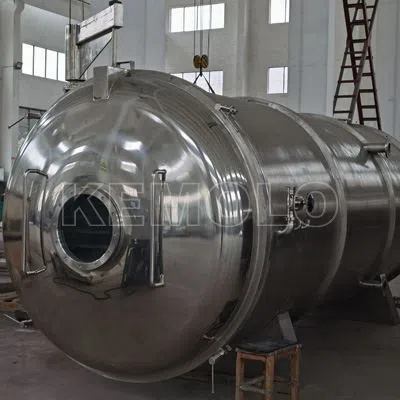
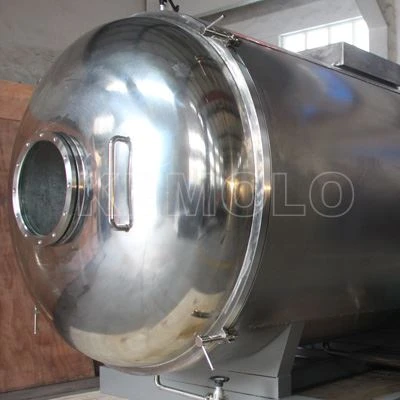
Now, let's talk about our link text: Floral Freeze Dryer. This specialized freeze dryer is designed specifically for drying floral materials, which are often used in cosmetics. It has a precise temperature and pressure control system that ensures the best results for drying flowers like roses, lavender, and jasmine.
The Floral Freeze Dryer also has a large capacity, so you can dry a significant amount of floral raw materials at once. This makes it ideal for cosmetic manufacturers who need to process large quantities of plant - based ingredients.
In conclusion, a laboratory freeze dryer can definitely be used for drying cosmetic raw materials. It offers a gentle and effective way to preserve the quality of these materials, which is essential for producing high - quality cosmetics. Whether you're working with plant extracts, herbal powders, or animal - based ingredients, a freeze dryer can help you achieve the best results.
If you're in the cosmetic industry and are interested in learning more about how our freeze dryers can benefit your business, I'd love to have a chat with you. We can discuss your specific needs and see which of our freeze dryers is the best fit for you. Don't hesitate to reach out and start the conversation about potential procurement.
References
- “Lyophilization: Principles and Practices.” American Pharmaceutical Review.
- “Cosmetic Raw Materials Handbook.” Cosmetics & Toiletries Magazine.